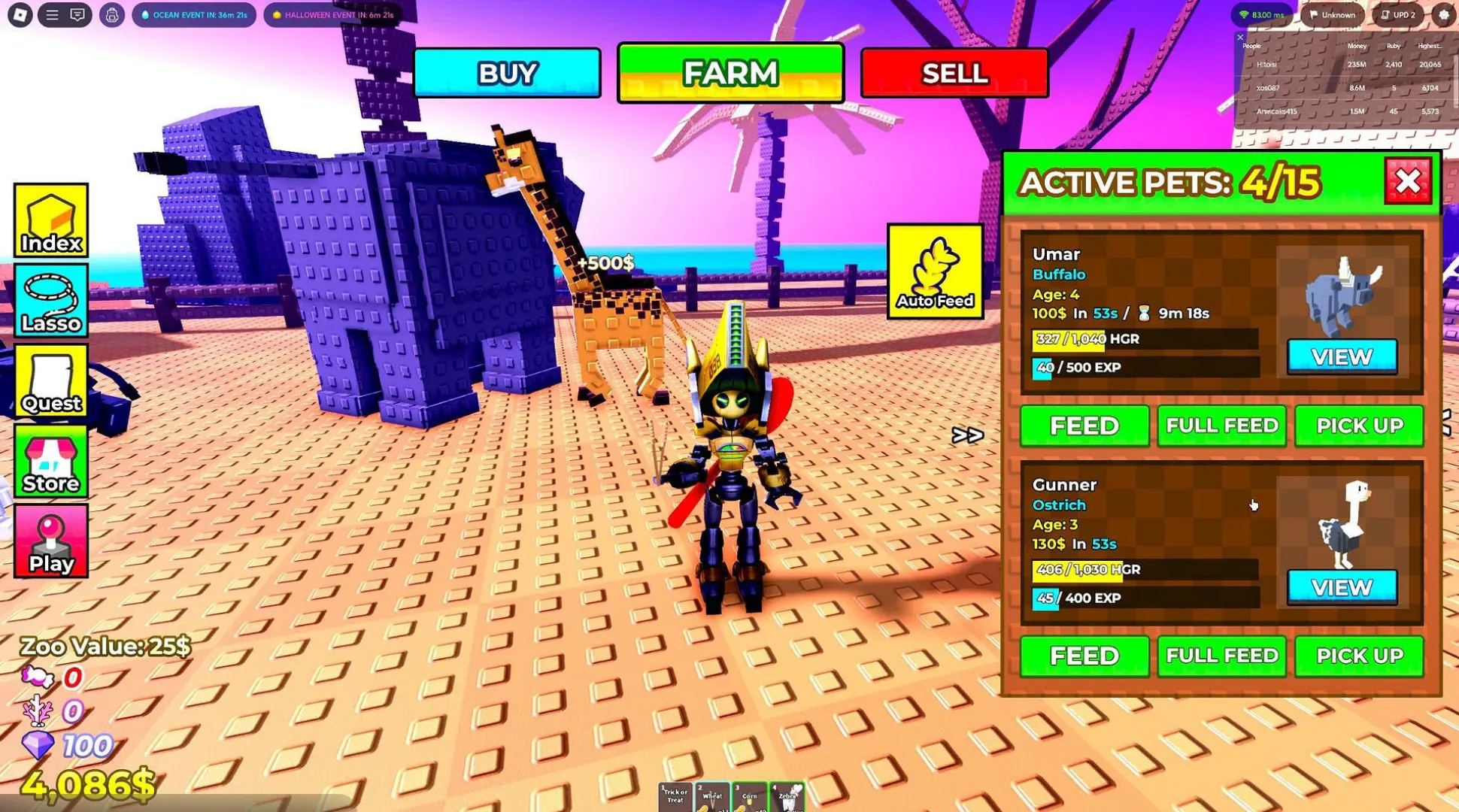
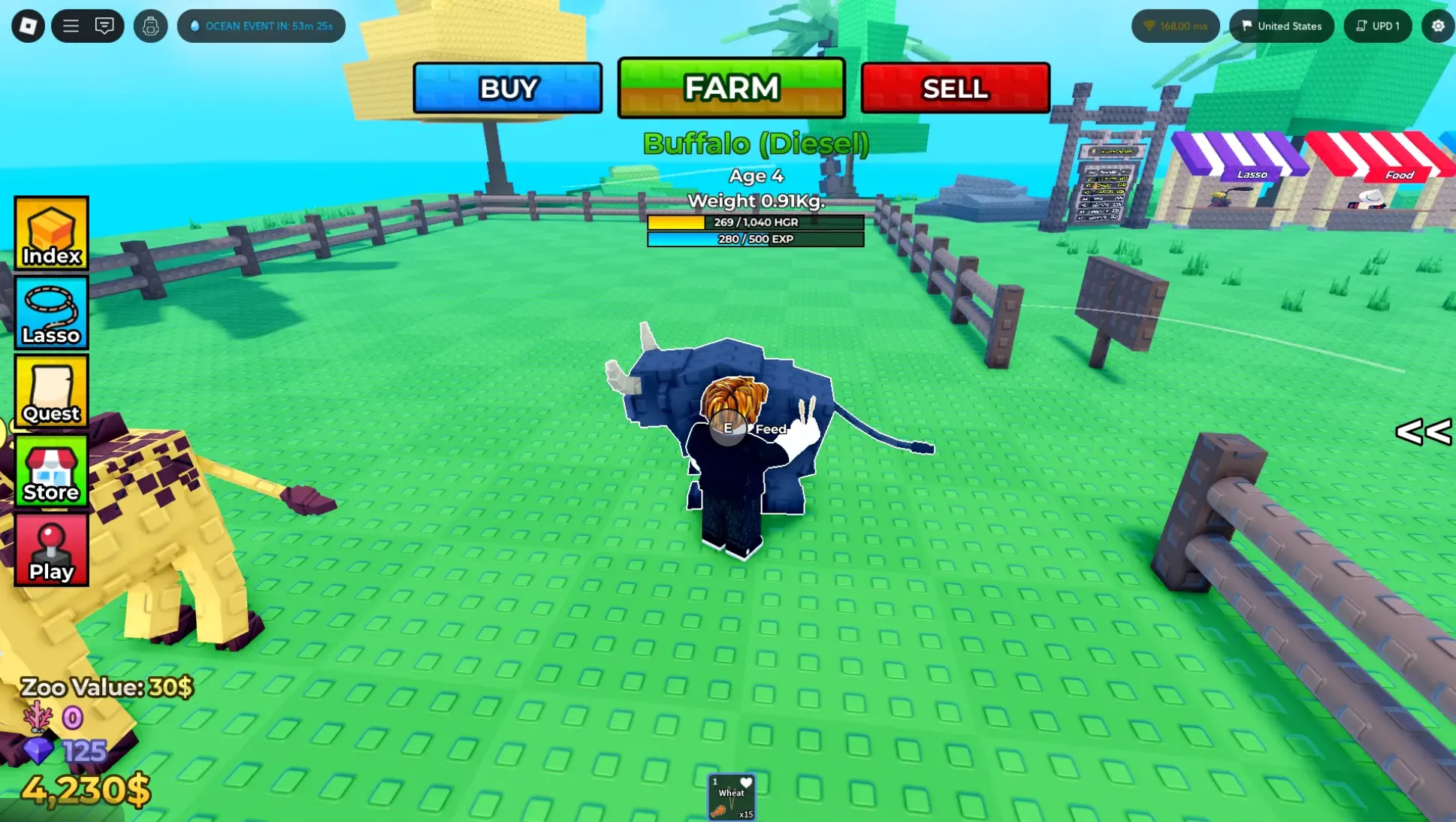
Is upgrading your animals in Raise Animals actually worth it? This guide breaks down how level progression affects income, when to stop investing food, and how to calculate the true return on your upgrades.
1. Understanding the Animal Level System
Leveling up animals directly influences your farm’s overall profit rate. But not every upgrade yields the same benefit.
1.1 Key Stats Affected by Levels
| Attribute | Description | Upgrade Effect |
|---|---|---|
| Income Base | The core metric determining gold earned per minute. | Increases significantly with level. |
| Health | Affects sickness and escape probability. | Moderate linear growth. |
| Lifespan / Maintenance | Higher-level animals may require less frequent care. | Slightly improved maintenance cycles. |
| Speed / Stamina | Used mainly in racing and exploration. | Grows steadily, ideal for mid- to late-game racing. |
1.2 Level Cap vs. Rarity
| Rarity | Level Cap | ROI Curve | Recommended Strategy |
|---|---|---|---|
| Common | Low (10–20) | Fast ROI but limited potential. | Upgrade briefly, then sell. |
| Rare | Moderate (50–75) | Stable growth, medium investment. | Upgrade moderately for long-term use. |
| Shine / Legendary | Very High (100+) | Exponential cost growth after level 50. | Calculate ROI carefully before overinvesting. |
2. Food Cost and XP Efficiency
Feeding your animals is the main method of leveling, but not all food provides equal value.
2.1 Food Type Comparison
| Food Type | XP per Unit | Cost | XP per 1,000 Gold | Efficiency Tier |
|---|---|---|---|---|
| Basic Feed | +25 XP | 200 Gold | 125 XP | ★★★★☆ (High for early game) |
| Premium Feed | +80 XP | 1,000 Gold | 80 XP | ★★★☆☆ |
| Deluxe Feed | +200 XP | 3 Gems | Depends on gem value | ★★☆☆☆ (Situational for Shine animals) |
💡 Tip: Crafting food using farm crops can reduce cost by 30–40% compared to direct shop purchases.
2.2 The Diminishing Returns Principle
Each animal has a “breakpoint” — the level where further investment stops being efficient.
- ROI Formula:
ROI = (Income Gain per Level) / (Food Cost per Level) - Common animals: ROI drops below 1.0 after level 15.
- Rare animals: ROI drops below 1.0 around level 40–50.
- Shine animals: Ideal cap = Level 50–75, depending on your gem budget.
3. Investment Decision: Upgrade or Expand?
Every farm faces this dilemma — keep leveling or buy a new animal?
3.1 Upgrade vs. New Fence ROI
| Situation | Best Action | Reason |
|---|---|---|
| Farm has free space | Buy a new Rare or Shine animal. | Higher marginal profit per investment. |
| Farm is full | Upgrade existing high-tier animals. | Maximizes limited space efficiency. |
| Goal is passive income | Upgrade resource-producing animals first. | Improves idle generation rate. |
3.2 Upgrade Priority List
| Priority | Animal Type | Reason |
|---|---|---|
| S Tier | Shine / Legendary Animals | Highest long-term value. |
| A Tier | Resource Animals (e.g. Gold Chicken, Crystal Rabbit) | Boosts secondary income streams. |
| B Tier | Common Animals | Only upgrade to meet quest requirements. |
4. Sell, Replace, and Reinvest
Selling leveled animals can be a surprisingly powerful economic strategy.
4.1 Depreciation and Sell Value
| Factor | Description |
|---|---|
| Sell Price Formula: | (Base Price × Level Multiplier × Rarity Bonus) |
| Key Insight: | For every 1,000 gold invested in feed, resale value increases by only ~600–800 gold. |
| Best Practice: | Sell high-level common animals early; keep Shine animals until late game. |
4.2 Value Conversion Strategy
When you sell high-level animals:
- You recover part of your food cost in gold.
- You free up space for rarer animals.
- You maintain cash flow for continuous reinvestment.
💡 Example: Selling a Level 30 Rare Animal might recover 70% of your food investment — enough to buy two new untrained Rares.
Conclusion: Finding Your Breakpoint
In Raise Animals, upgrading is profitable only until the ROI curve flattens.
- Early game: Upgrade for momentum.
- Mid game: Balance upgrades with expansion and diversification.
- Late game: Focus only on Shine-level animals and racing specialists.
A smart player knows when to stop feeding and start investing elsewhere — that’s the real secret to mastering your farm’s economy.